
How are machines, steel structures and pipework dismantled when a plant closes or moves, and how is the scrap recovered? Steps from planning to handover.
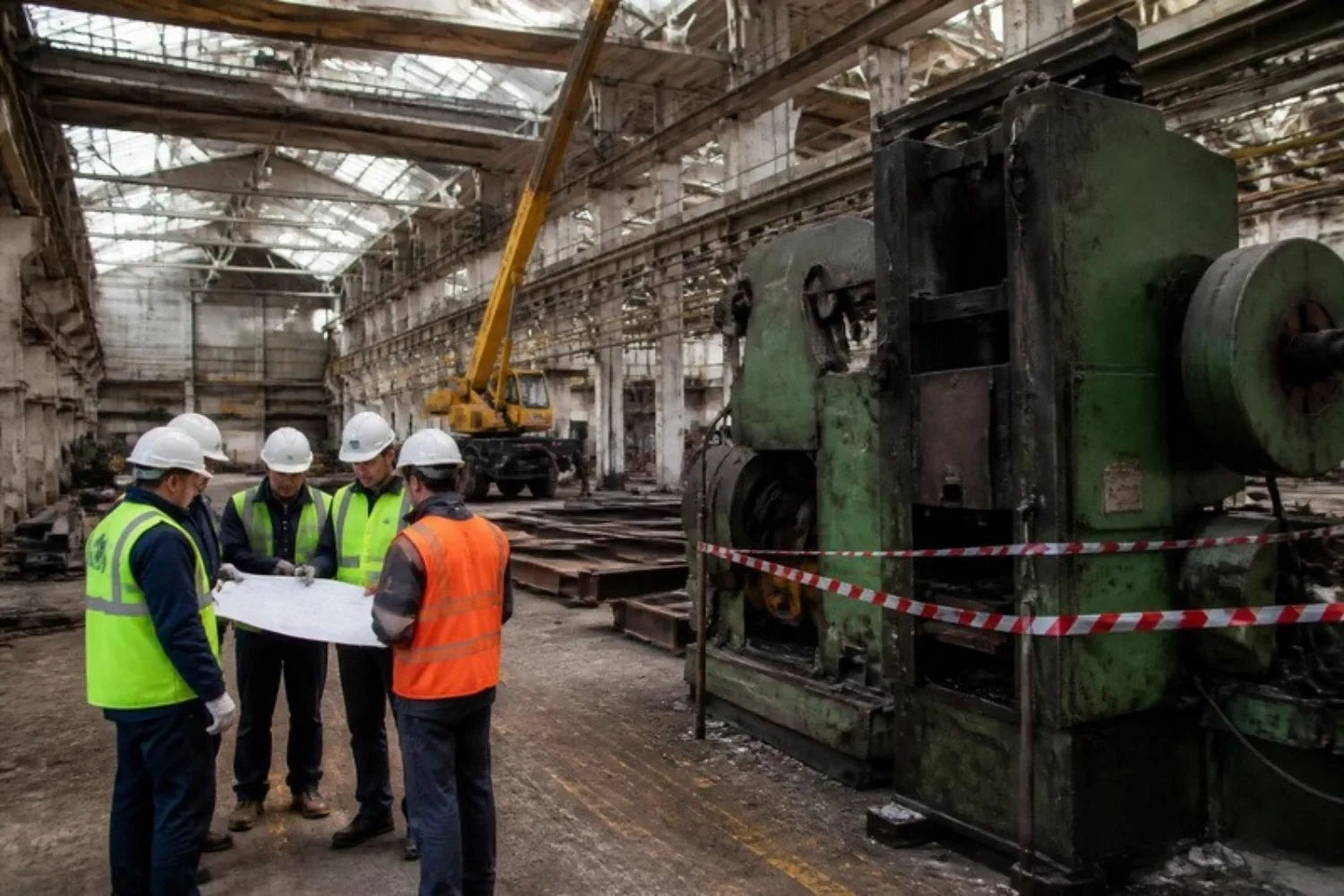
A factory closing or moving to a new site usually runs on a tight schedule. As the lease ends or the new plant's opening approaches, the machines, steel structure and pipework in the old building must be dismantled and the material recovered. Well-planned dismantling saves time and protects the value of the material.
1. Inventory: what will move, what will be recovered?
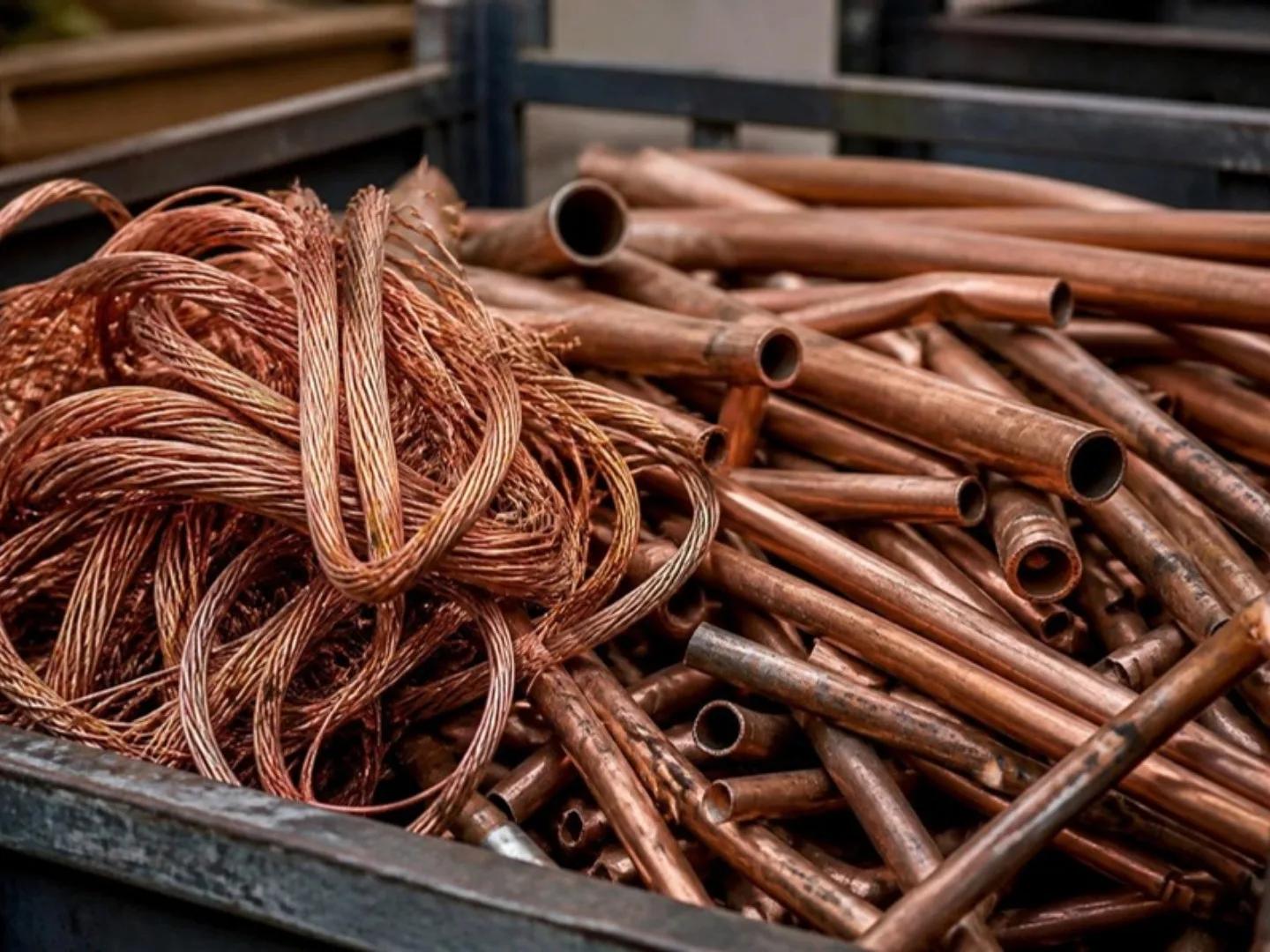
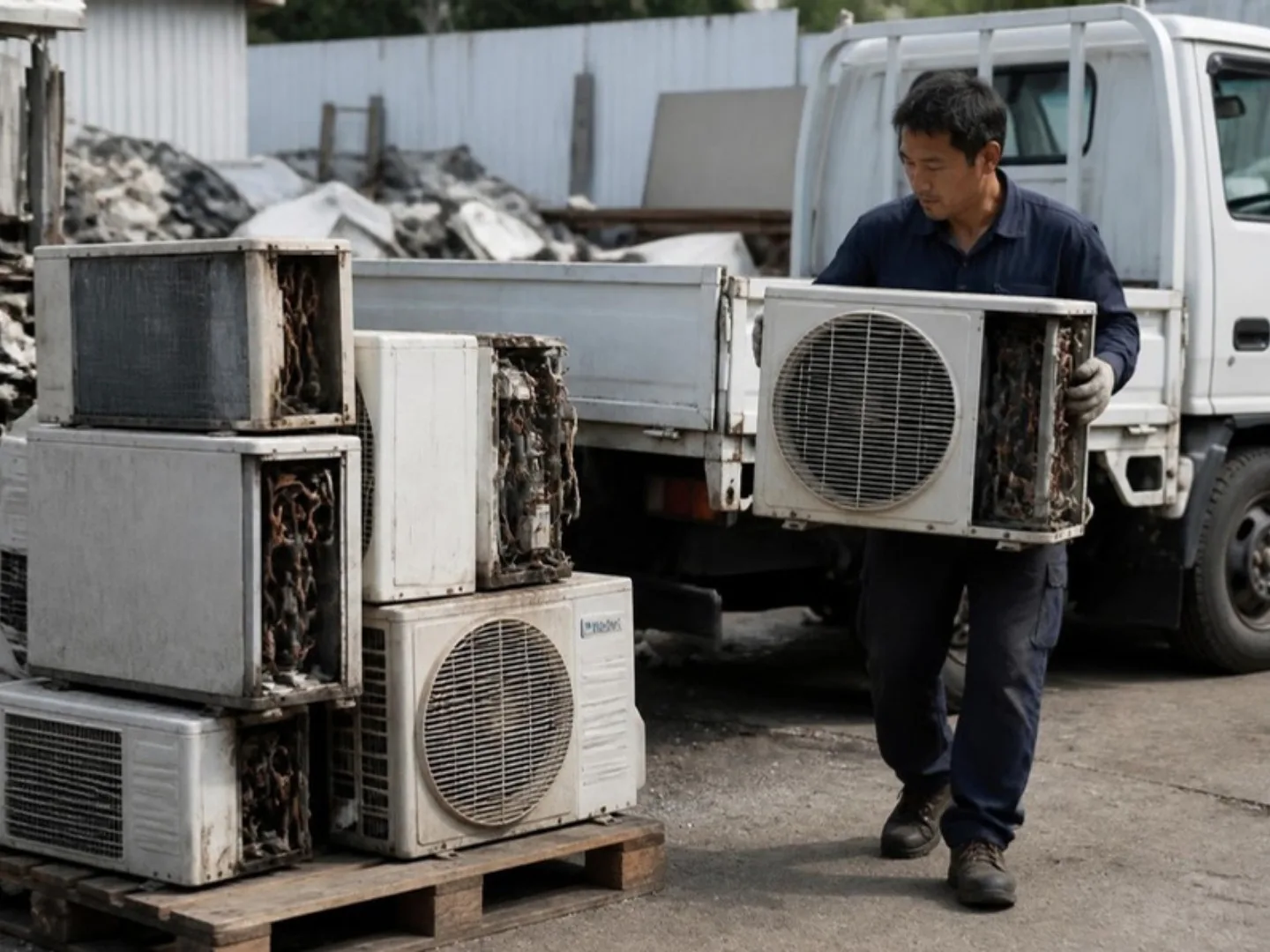
The first step is to separate the machines and equipment going to the new plant from second-hand equipment to be sold and material for scrap. The scrap part is usually the steel structure, old machines, cable trays, power cables, panels and transformers, compressed air and water pipework.
2. Site visit and quote
The dismantling team must see the plant on site. The type and approximate tonnage of the material are assessed, then the options of deducting dismantling from the material or pricing them separately are compared.
3. Safety and permits
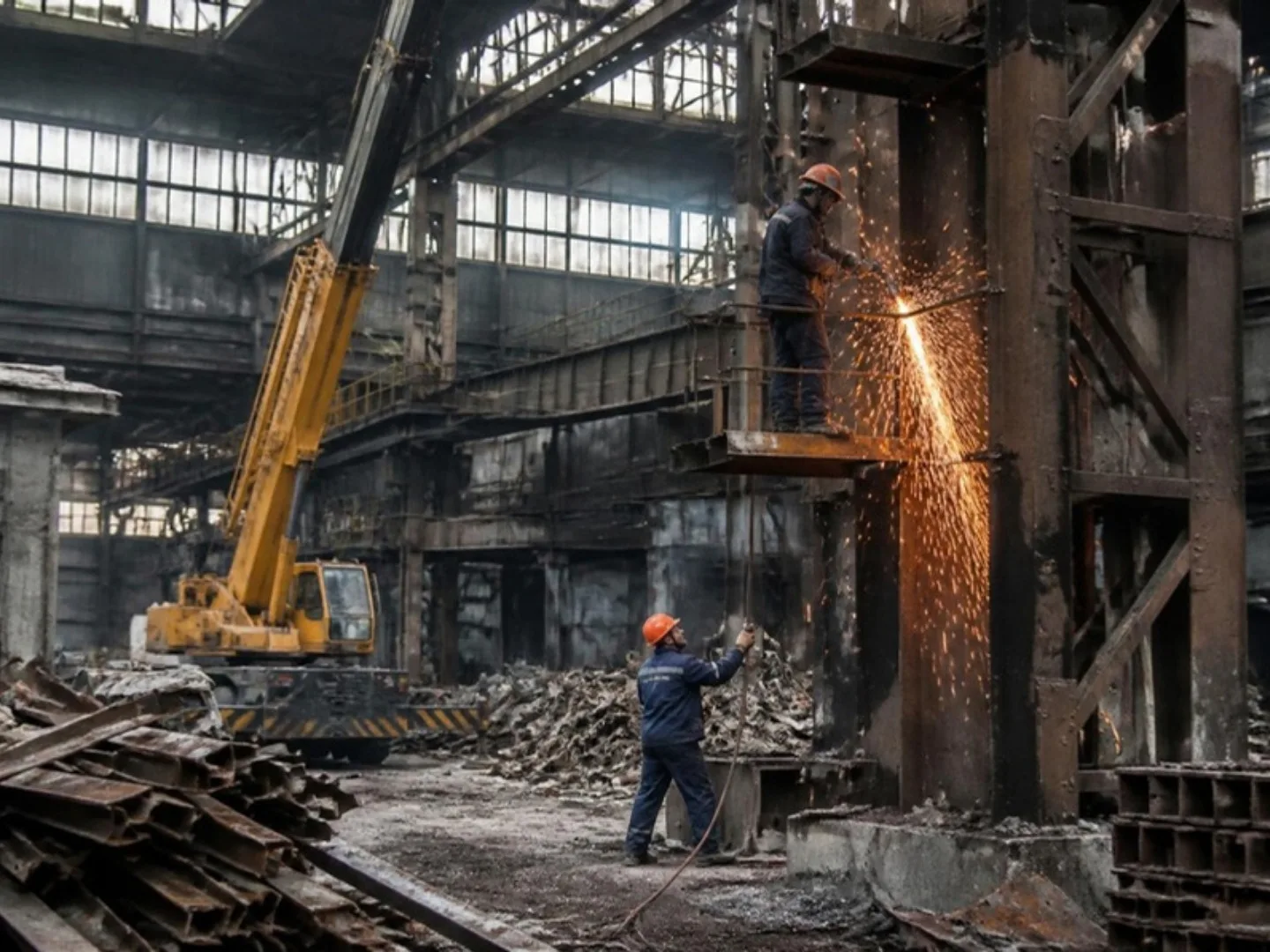
Safely isolating electrical, gas and pressurised lines and planning work at height and crane operations is the most critical part. In plants where production partly continues, work areas must be physically separated.
4. Dismantling sequence
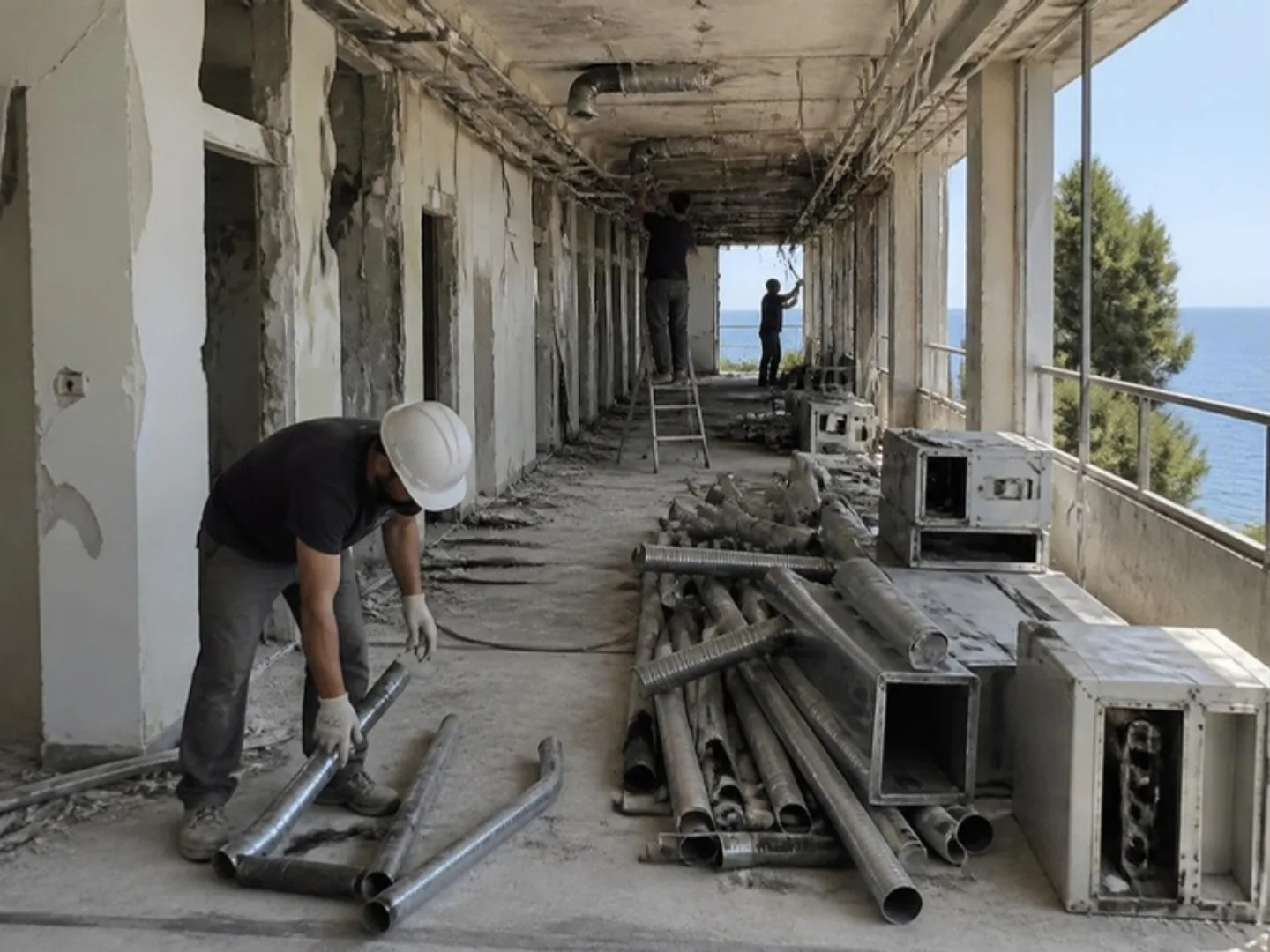
Equipment to be moved usually comes out first, then pipework and cables, and finally the steel structure and roof. This sequence improves safety and makes it easier to sort the material by grade.
5. Weighing, documents and handover
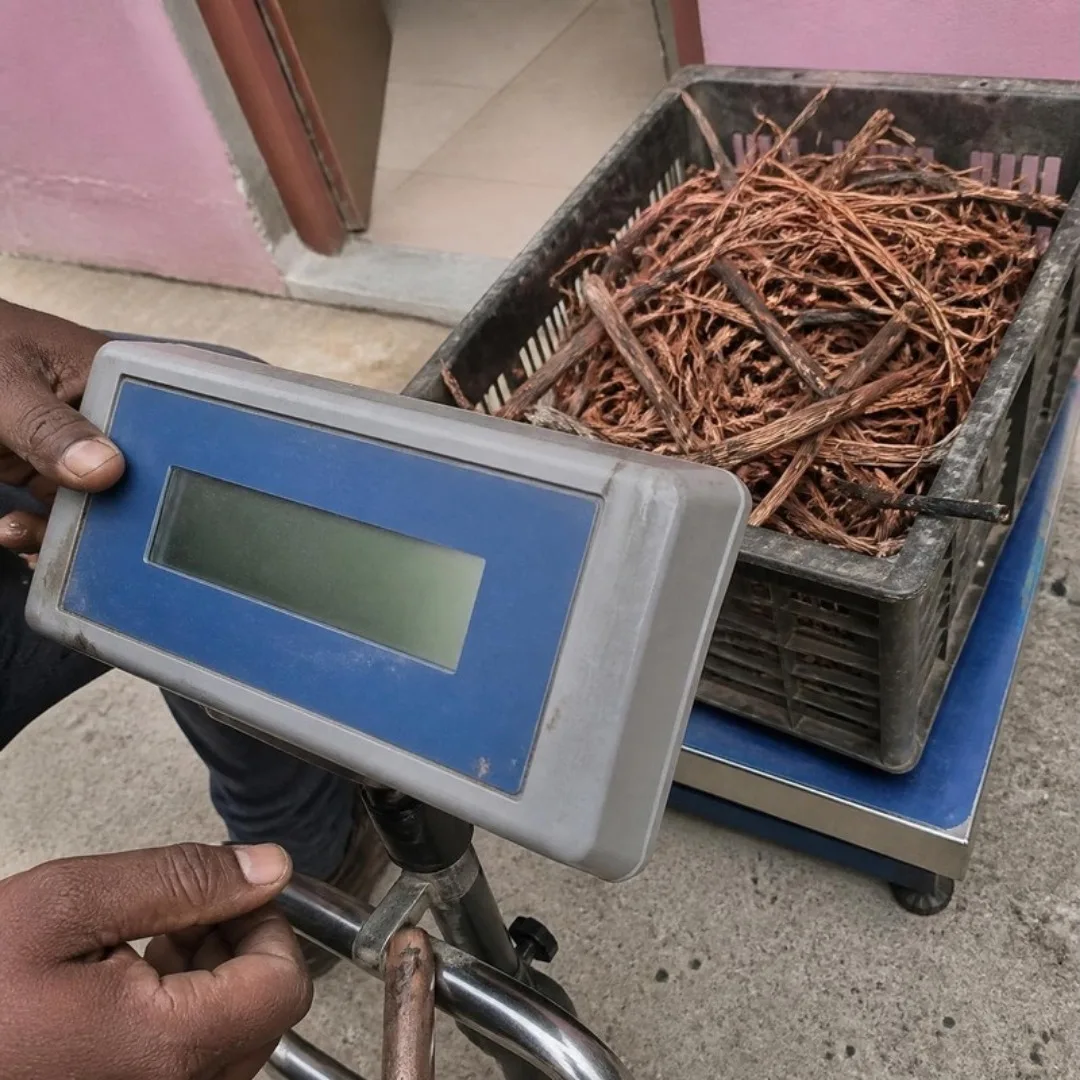
For tonnage material, a weighbridge ticket and purchase on invoice matter for the company's accounts. Handing the area back cleared and swept speeds up the handover to the building owner.
Send photos, get the price, we collect from your address
Send photos of the material and the approximate amount; we will tell you the day's price and plan the pickup day.